From radiology departments to ambulances, intelligent imaging systems are changing what it means to “read” a scan — and saving lives in the process.
For decades, medical imaging meant a trained specialist staring at a lightbox, relying on years of pattern recognition to spot what didn’t belong. Today, in hospitals from Boston to Brisbane, artificial intelligence has joined that process — not as a replacement, but as a tireless co-reader that never blinks, never rushes, and never has a bad day. In 2026, AI-powered diagnostic imaging has officially crossed from experimental novelty into essential clinical infrastructure, reshaping how radiologists work and, more importantly, how quickly patients learn what is happening inside their bodies.
✦ ✦ ✦
The shift is visible in both the hardware and the software. Scanners are no longer confined to radiology suites; portable AI-enabled devices are now being deployed in ambulances, rural clinics, and community health centers, extending diagnostic capability to populations that previously had to travel hours for an imaging appointment. At the same time, algorithms embedded in imaging software are pre-analyzing scans the moment they are acquired, proposing annotations and flagging regions of interest before a human ever opens the file. According to research published through Open Medical Science, AI in 2026 is widely treated as core digital infrastructure within imaging departments — not a pilot, but a permanent fixture of clinical workflow.
AI increasingly supports radiologists through digital augmentation — pre-analyzing images, proposing annotations, and highlighting regions of interest, while the final judgment remains firmly in human hands.”
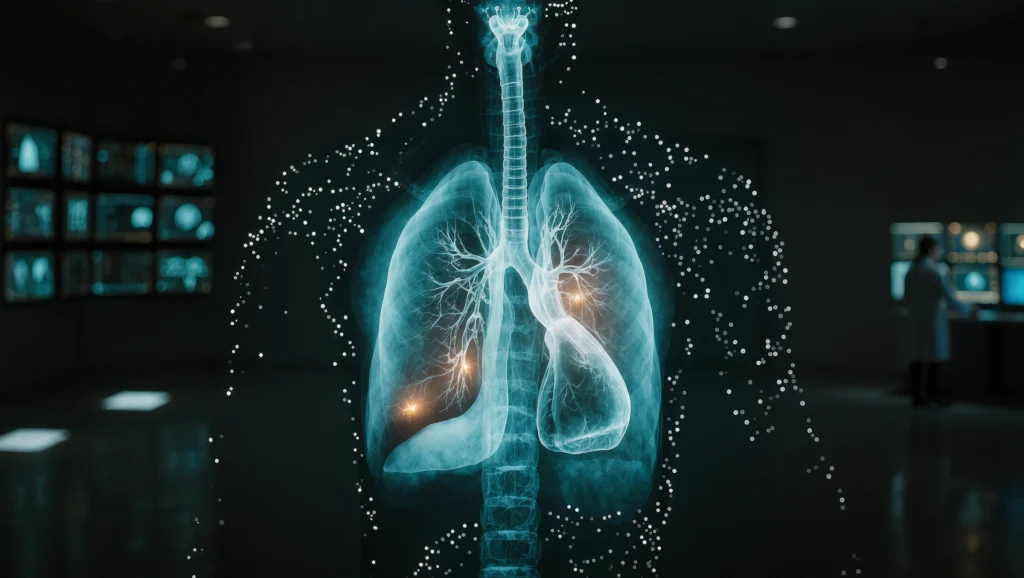
One of the most consequential developments is the transition from imaging as a purely diagnostic tool to imaging as a prognostic one. A field called radiomics uses machine learning to extract quantitative data patterns from scans that are completely invisible to the human eye. These hidden signatures can predict how a tumor will behave, whether a cardiovascular event is likely, and which treatment a patient is most likely to respond to — all from a single scan taken today. In oncology, early radiomics studies are already guiding decisions about chemotherapy timing and surgical planning. In cardiology, AI imaging models are being used to flag patients at elevated risk before they ever experience a symptom. The scan has evolved from a snapshot into a story about the future.
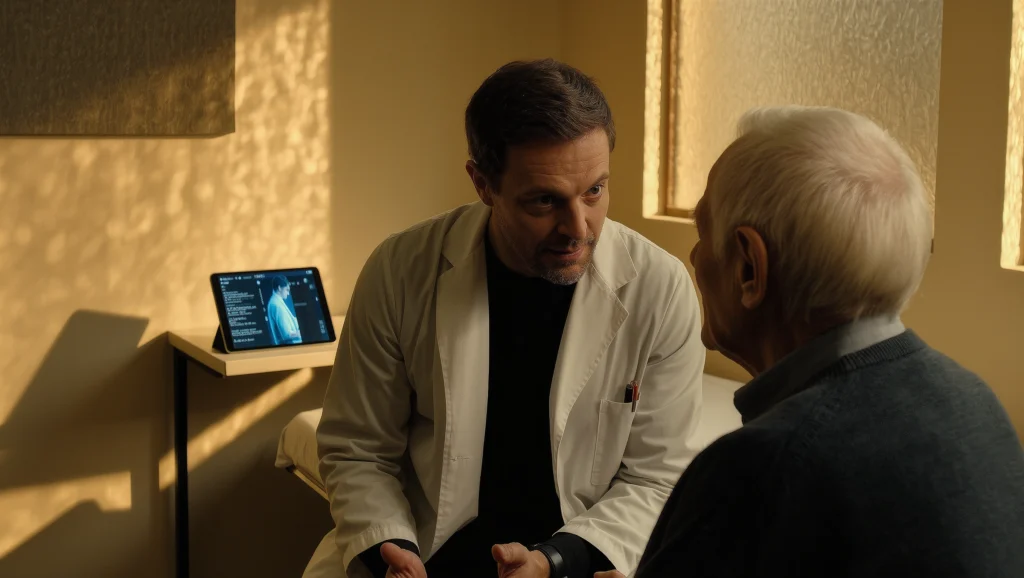
The human dimension of this transformation is equally important. Radiologists are not being displaced — they are being liberated. For years, the specialty has faced a looming crisis: too many images, too few specialists, and crushing cognitive and administrative load that drives talented clinicians out of the profession. AI tools that can synthesize findings across prior exams, summarize clinical context, and generate draft reports directly within the electronic health record are reducing that burden in meaningful ways. As experts at Diagnostic Imaging noted in April 2026, the most successful AI imaging tools are those that reduce friction in a radiologist’s workflow rather than adding to their cognitive load. The future of radiology is not human versus machine — it is a collaboration that makes both better.
Sources & References
- Open Medical Science. (Feb 2026). Medical Imaging in 2026: Smarter Scanners, Portable Diagnostics, and a Shift Towards Predictive Care. openmedscience.com
- Diagnostic Imaging. (Apr 2026). The Inflection Point for AI in Radiology: Emerging Insights for 2026. diagnosticimaging.com
- Medicai Blog. (Feb 2026). Future of Medical Imaging in 2026: New Medical Imaging Technology. blog.medicai.io
- Miyoshi, N. (2024). Use of AI in Diagnostic Imaging and Future Prospects. Journal of the Medical Association of Japan. PubMed Central
- NIH / PMC. (2023). How AI Is Shaping Medical Imaging Technology: A Survey of Innovations and Applications. PubMed Central
- OffCall.com. (Aug 2025). The Future of Medical AI: What’s Coming in 2026 and Beyond. offcall.com
Article 01 of 03 · Diagnostic Technology