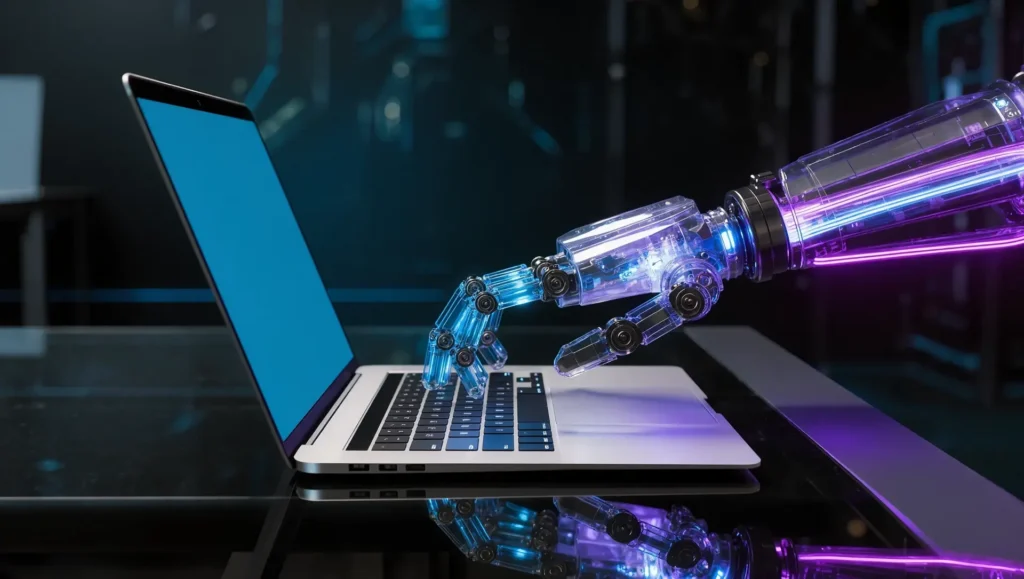
The advent of AI coding assistants, most notably tools like GitHub Copilot, has fundamentally altered the landscape of software engineering. Writing code is no longer a solitary act of translation between human logic and machine execution; it is now a collaborative dialogue. However, this dialogue is experienced and interpreted very differently depending on the philosophical approach of the developer. To truly understand the psychological and practical impact of these tools on our codebase, we must view them through the lens of two ancient archetypes: Abel, the Shepherd of Syntax, and Cain, the laborer struggling for the machine’s soul.
Abel’s Perspective: The Shepherd of Syntax
For the coder embodying the Abel archetype, Copilot acts as the ultimate silent partner. It is a tireless collaborator that effortlessly keeps the “sheep” in line—the endless arrays of brackets, semicolons, import statements, and boilerplate logic that often bog down the creative engineering process. Abel views Copilot not as a threat to their expertise, but as a vital cognitive off loader.
The AI predicts the next line of code with a logic that feels almost natural, anticipating needs before they are fully articulated. In doing so, it prevents the frustrating “straying” of syntax errors that can derail an afternoon of deep work. By automating these low-level, repetitive tasks, Copilot fosters a remarkably peaceful and frictionless development environment.
This peace is transformative. The Shepherd is freed from the mundane and elevated from a bricklayer to an architect. Abel can focus entirely on the high-level system architecture, cross-service data flow, and optimal user experience, trusting completely that the AI will faithfully tend to the variables, loops, and repetitive testing mocks. For Abel, the AI is a harmonizing force, transforming the chaotic, granular noise of software development into a streamlined symphony of automated construction. It is development without the drag.
Cain’s Perspective: The Struggle for the Machine
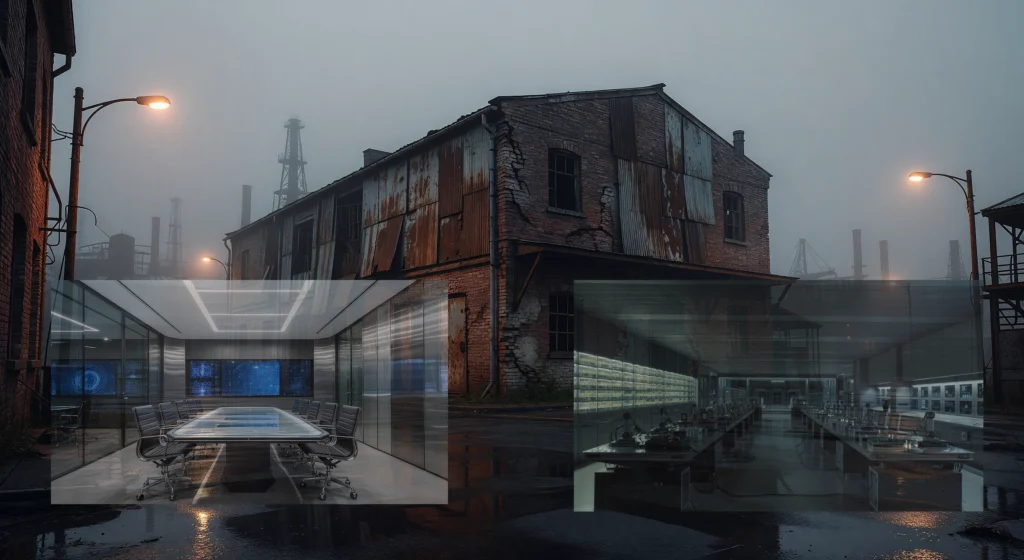
But for Cain, the integration of AI into the IDE is a radically different experience. Cain views Copilot not as a docile assistant, but as a rival in the forge. Cain represents the artisan—the traditional craftsman who believes the true value, stability, and security of software lies in its bespoke logic and human ingenuity. To Cain, the struggle of writing code from scratch is essential to understanding it deeply.
The core of Cain’s struggle is to ensure that the AI doesn’t quietly dictate the logic of the system. Copilot, by its very nature as a Large Language Model, predicts the most statistically probable code based on its training data. But the most common pattern is very often not the most optimized, secure, or creatively innovative one. It is the “average” solution. Cain actively resists this homogenization.
Cain finds himself engaged in a constant, silent battle to write code that is strictly “human-first.” He must actively resist the AI’s hypnotic urge to auto-complete his thoughts with generic templates, taking the extra time to carefully review, critique, and frequently reject its suggestions. This is the arduous labor of keeping the “soul” in the software. Cain asserts that if you accept the code without writing it, you sacrifice a fundamental understanding of the system’s underlying mechanics. For Cain, the machine must absolutely remain a tool of the laborer, subject to human will and creativity, rather than becoming the master of the craft that nudges the developer down the path of least intellectual resistance.
The Synthesis: Architecture vs. Autonomy
The tension between Abel’s peace and Cain’s struggle defines the crucible of the modern developer experience. If a development team leans too heavily into Abel’s philosophy—relying entirely on the AI’s predictive capabilities without friction—they risk generating bloated, generic codebases. Without the critical, scrutinizing eye of the craftsman, the architecture may look completely sound on the surface, but will likely suffer from subtle technical debt, hidden security vulnerabilities, and a profound lack of innovative problem-solving.
Conversely, a team or individual entirely dominated by Cain’s philosophy risks moving too slowly. Overly burdened by the need to manually forge every single bracket and function out of pure stubbornness, they will ultimately lose the massive productivity, speed, and efficiency gains that these modern AI pair programmers offer, falling behind industry standards.
Summary: Navigating the Balance
In the end, the modern software engineer cannot afford to be purely Abel or purely Cain. The future of code requires navigating a delicate, intentional balance. We must embrace the seamless flow of automated construction (Abel) to save our mental bandwidth for the hard problems, while simultaneously maintaining the manual struggle to retain creative sovereignty and deep understanding over the core logic (Cain). Only by mastering this duality can we build software that is both rapidly constructed and deeply, beautifully human.